Understand what to record when a component is removed from an unfamiliar assembly.
یک فرآیند جایگزینی صحیح با شناسایی کاری که زنجیره انجام میدهد و شواهد موجود در محل نصب آغاز میشود. مراحل زیر به عنوان یک گردش کار تصمیمگیری ارائه شدهاند. آنها فرض نمیکنند که هیچ دو جزء اندازهگیری نشدهای قابل تعویض هستند.
Separate The Component Types
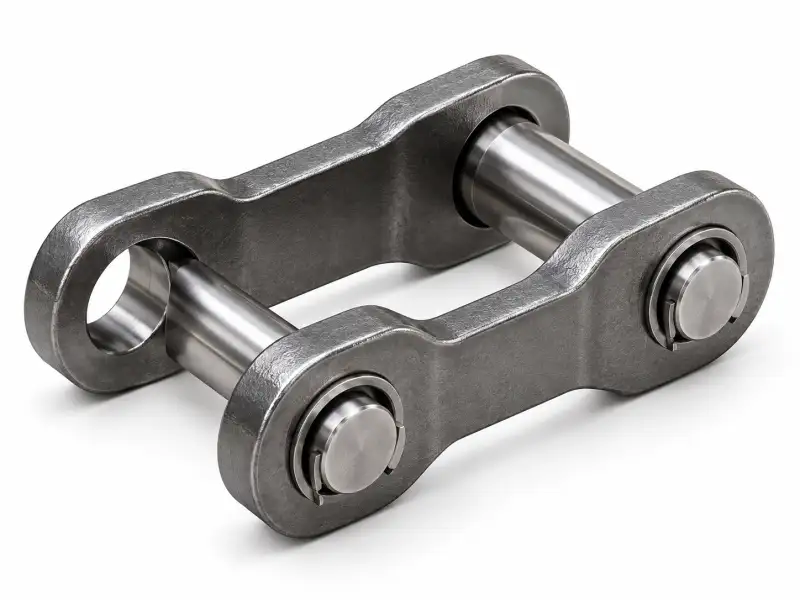
A link forms the repeated joint; a connecting element joins two structures; an attachment bracket supports something external; a plate may carry ground reaction or material. Determine the job before selecting a name.
Use An Orientation Sketch
Draw the machine direction, inner and outer chain faces and major bolt holes. This prevents a visually symmetric photograph from concealing a handed or offset component.
برای این مرحله، شرایط قبل از نصب و اندازهگیری یا مشاهده دقیق مورد استفاده برای تصمیمگیری را مستند کنید. اگر قطعه قبلاً برداشته شده است، با عکس گرفتن از اجزای مجاور، محل نصب آن را نشان دهید. شناسه عکس را در کنار مقدار اندازهگیری شده نگه دارید تا بعداً بتوان آن را بررسی کرد.
Collect Key Dimensions
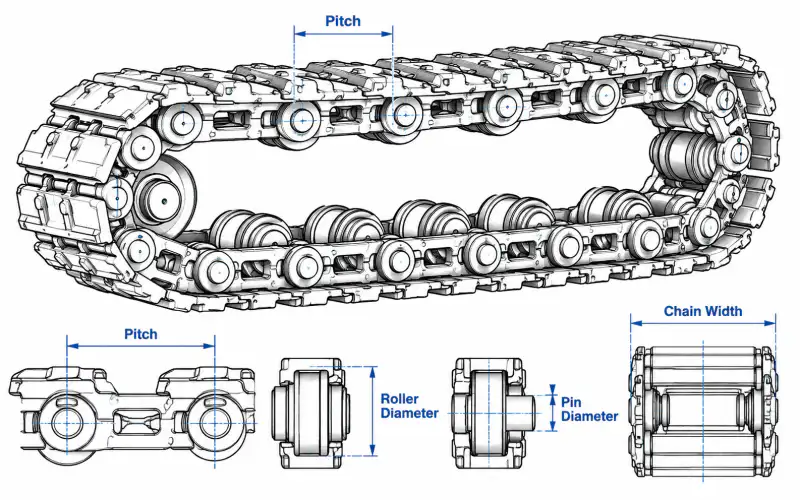
Mark pin centres, bore diameters, width between plates, component thickness, overall height and any special offsets. Include a scale and specify metric or imperial units.
A supplier reviewing collect key dimensions must know whether the figure is nominal drawing data, field measurement, or an estimate from a worn component. That distinction changes what can be quoted without a sample and what needs an additional dimensional inspection.
Check Adjacent Parts
Photograph the pieces that mate with the unknown component. A connection that looks standard may rely on a special spacer, end retainer or nonstandard boss.
برای این مرحله، شرایط قبل از نصب و اندازهگیری یا مشاهده دقیق مورد استفاده برای تصمیمگیری را مستند کنید. اگر قطعه قبلاً برداشته شده است، با عکس گرفتن از اجزای مجاور، محل نصب آن را نشان دهید. شناسه عکس را در کنار مقدار اندازهگیری شده نگه دارید تا بعداً بتوان آن را بررسی کرد.
Prevent Misclassification
Do not copy a type name from a catalogue image when the installed part serves a different machine function. Treat uncertainty as a technical question to resolve before procurement.
چک لیست اطلاعات استعلام
| ورودی خریدار | دلیل تایید |
|---|---|
| زمینه ماشین | عملکرد واقعی زنجیره، موقعیت نصب، مدل تجهیزات در صورت مشخص بودن |
| ابعاد زنجیره ای | گام در چندین اتصال، عرض و ابعاد مرجع اتصال |
| رابط نصب | محلهای اتصال، الگوی سوراخ و رابطه چرخدندهها |
| زمینه خدمات | محیط کار، قرار گرفتن در معرض سایش و علائم سایش |
| فایلها | طرح اندازهگیری شده، عکسهای نصب شده، مرجع قطعه، تعداد |
تصمیماتی که نیاز به تأیید دارند
ابعاد تولید، درجه مواد، عملیات حرارتی، بار عملیاتی مجاز و هرگونه مرجع قطعه جایگزین باید برای پیکربندی سفارش داده شده واقعی تأیید شوند. هندسه کلی زنجیره میتواند از شناسایی اولیه پشتیبانی کند اما به خودی خود نمیتواند یک جایگزین تضمین شده را ایجاد کند.
حتی زمانی که گام اسمی زنجیر مشخص است، مجموعه جفت شونده را بررسی کنید. تعمیری که یک مفصل را بازیابی میکند اما دندانههای چرخدنده به شدت فرسوده یا براکتهای کجشده را بدون تغییر باقی میگذارد، ممکن است عیب اصلی را برطرف نکند. کار تعمیر و نگهداری فوری را از تصمیم به تعویض کامل سیستم متمایز کنید.
گردش کار بررسی فنی
- عملکرد دستگاه و اینکه کدام جزء مورد بحث است را مشخص کنید.
- هندسه اندازهگیری شده را با عکسها و واحدها ثبت کنید.
- زنجیر جفت شونده، چرخ دنده و رابط اتصال را بررسی کنید.
- محدوده و مقدار دقیق جایگزینی را تعریف کنید.
- طرح و عکسها را برای بررسی پیکربندی ارسال کنید.
سوالات متداول
اگر شماره قطعه اصلی گم شده باشد چه؟
از نماهای دستگاه نصب شده، یک نمونه زنجیر اندازهگیری شده، عکسهایی از اجزای اتصال و شرح وظایف استفاده کنید.
آیا ارائه طرح مشابه برای ثبت سفارش کافی است؟
خیر. شکل اتصال، عرض، هندسه غلتک، افست نصب و درگیری چرخدنده میتواند در یک گام اسمی یکسان متفاوت باشد.
آیا میتوان از ابعاد یک قطعه فرسوده استفاده کرد؟
بله، به عنوان یک نقطه شروع موقت، اما فرسودگی قابل توجه باید مستندسازی شود و در صورت امکان با یک مرجع فرسوده نشده مقایسه شود.
چگونه میتوان یک استعلام فنی را به طور مؤثر بررسی کرد؟
کاربرد واقعی، عکسها با مقیاس، طرح خوانا، تعداد لینکها، جزئیات رابط و تعداد را ارائه دهید.
Start With Mechanical Function
A chain component should be named according to the force or motion it handles, not only the way its silhouette looks. Determine whether it forms a repeating link, carries an attachment, joins two chain sections or interacts directly with a sprocket. Photographs may show substantial metal shapes but not the side that actually transmits force. A simple sketch with arrows for chain travel and load direction helps reveal the role. This is particularly important where catalogue pictures include both crawler and mining conveyor parts that share visually similar features.
Create An Orientation Record
Before removing the part, mark the outward face, machine side, direction of travel and connection to nearby plates. Photograph the fasteners and retainers before disassembly, keeping each image in a numbered sequence. With an unfamiliar assembly, pieces that appear mirror-symmetric may actually have offset bosses or hand-specific mounting faces. A labelled orientation record reduces the chance of ordering a part that physically matches one face but cannot be installed on the required side. Include a wide view of the mechanism to show what the detail belongs to.
Measure The Joint Profile
Record the distance between pin centers, inside and outside widths, plate thickness, pin-hole diameters and any shoulder lengths. On components with a mounted plate, add hole centers and vertical offsets from the chain joint axis. Avoid measuring only the longest visible dimension. A small change in an internal clearance can prevent articulation even where outside dimensions are similar. Keep worn values separate from drawing values and identify which surfaces show deformation. If the original nominal shape cannot be reconstructed safely, request an engineering review with the worn sample and related assembly drawings.
Inspect Connected Elements
No link works in isolation. A joint may include a pin, a bush, a roller, a spacer and retention hardware; a mounted attachment may also connect to a larger bar or plate. Assemble a simple parts map showing which items move together and which surfaces articulate. This helps distinguish a connecting link from a load-carrying bracket and reveals whether replacement parts should be ordered as a kit. When a chain guide or sprocket touches a particular surface, include that detail in the sketch because it can identify an otherwise ambiguous component.
Avoid False Interchange Claims
Matching an online photograph is a useful first step but is not a substitute for dimensions and mechanical compatibility. A replacement may share an outside profile yet differ at the pin axis, internal width or support contact point. Do not use brand names or nominal family labels to claim direct substitution without a checked drawing. In an enquiry, identify any missing values and the evidence available for verifying them. If one source image appears to represent a material conveyor part rather than a travelling track part, keep that uncertainty visible.
Organize The Final Package
Arrange the enquiry as machine overview, installed assembly, removed part views, dimensions, component count and required quantity. Use descriptive filenames and keep a concise list of open questions. If a workshop can supply a measured sketch, attach it alongside the unedited photographs. This provides enough context for a technical dialogue without implying that every part has already been identified. The resulting record can later become the basis for a model-specific product page once an approved configuration and real dimensions are confirmed.
مرحله بعدی
از راهنماهای اندازهگیری و صفحات مربوط به خانواده محصول با هم استفاده کنید. یک سابقه استعلام واضح به تیم فنی کمک میکند تا قبل از اینکه تصمیم جایگزینی پرهزینه شود، عدم قطعیت را شناسایی کند.